Hal - Endemic Tree of Sri Lanka
Scientific Name: Vateria copallifera
Family: Dipterocarpaceae
Origin: Endemic to Sri Lanka
Appearance and Characteristics
Family: Dipterocarpaceae
Origin: Endemic to Sri Lanka
Appearance and Characteristics
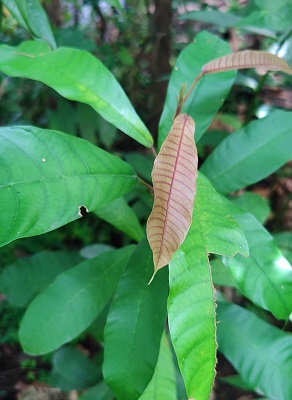
- Hal is a magnificent giant tree that adds grandeur to Sri Lanka’s lowland wet-zone rainforests. It is a member of the Dipterocarpaceae family, commonly known as the Dipterocarp or Hora family, and contributes to the structure of the main forest canopy.
- The Hal tree grows to approximately 50–100 feet in height, developing an extensive network of branches as it grows upward into a large, majestic tree.
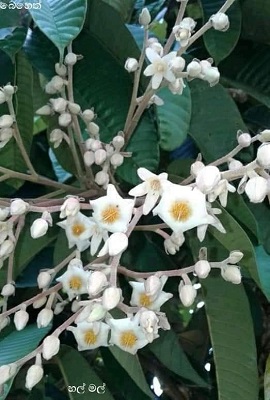
- This tree produces beautiful white flowers, which can be seen blooming during April, May, and June.
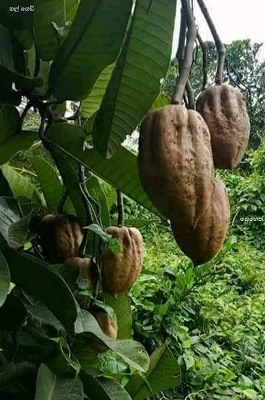
- Hal produces relatively elongated, large, brown fruits, which develop between October and January.
- Hal fruits were widely consumed by people in the past and are considered a nutritious food. Flour made from the fruits is traditionally incorporated into the diets of people with diabetes and high cholesterol.
- In various local communities, Hal flour is used to prepare a wide range of traditional foods, including Hal Guti, Hal Pittu, Hal Roti, Hal Halapa, Hal Pudding, Hal Porridge, and Hal Wandu. Rural communities also prepare many other dishes using Hal flour. Traditionally, people believe that using kithul treacle instead of sugar in Hal-based foods makes them even more delicious.
- The Hal tree is native to Sri Lanka and provides food, habitat, medicinal resources, clean air, and protection that support humans and other forms of life. Conserving this valuable native tree and preventing its extinction is an increasingly important priority.